The Flint and Steel Fire Kit Checklist for UK Day Trips
A flint and steel kit takes up less space than a sandwich, yet it can decide whether your day trip ends with a hot brew or a cold, grumpy walk back to the car. The UK weather rarely asks permission before it turns. Drizzle, damp air and a breeze off the coast or moor can undo a kit that works perfectly on a dry patio. The answer isn't more gear. It's the right gear, packed with a little thought.
This checklist covers what to carry for reliable firelighting on a day out. It assumes you already know the basic strike. If you don't, practise at home first. A fire kit is only as good as the hands using it.
The Core Ignition Kit
Start with the three items that actually make the spark: steel, flint and char. Everything else supports them.
- High-carbon steel striker. Stainless steel won't throw a decent spark. Look for a purpose-made striker, an old file shaped and tempered, or a piece of high-carbon steel with a sharp, square edge. A C-shaped striker is easy to hold and gives a good downward scrape.
- Flint or chert. You want a piece with a sharp, fresh edge. English flint is ideal, but chert, quartzite and even some hard shales can work. Carry two or three pieces in case one shatters or dulls. A rounded pebble from the beach won't do.
- Char cloth or charred material. This is the catch-spark. Char cloth made from cotton or linen is traditional and reliable. Charred punk wood, charred cotton pads and charred natural tinders also work. Store it dry.
Keep these three together in one small tin or pouch. When your fingers are cold and the light is fading, you don't want to be rummaging through three separate pockets.
Char: Make It, Store It, Trust It
Char cloth is easy to make at home. Cut cotton or linen into squares, pack them loosely in a tin with a small hole in the lid, and put it in a fire. When the smoke stops and the squares are black but not ashy, they're done. Let the tin cool before opening. If the cloth crumbles to dust, you've overcooked it.
Charred punk wood is a good alternative. It takes a spark well and can be broken into pieces to suit the fire you're building. Whichever you use, keep it in an airtight tin. Damp char is useless. A small silica gel sachet in the tin can help on humid days, but it won't save char that's been left open in the rain.
Tinder That Works in UK Damp
Once your char is glowing, you need tinder to turn that ember into flame. In the UK, the best natural tinders are often the ones that resist damp: birch bark, pine resin, and the dry inner fibres of dead standing wood. Look for materials that snap rather than bend. If it bends, it's still holding moisture.
- Birch bark. The outer bark contains oils that burn even when the surface is wet. Peel thin strips from fallen branches, not living trees.
- King Alfred's cake. This black, lumpy fungus grows on dead ash and other trees. Dry it at home and it takes a spark like char.
- Cramp balls. Another fungus, found on dead wood. Once dry, it smoulders well and can be broken into pieces.
- Dried grass, bracken or reed mace down. Gather from under hedges or inside dense stands where rain hasn't reached. Fluff it up before use.
- Pine resin. Hard lumps of resin from damaged conifers burn fiercely. A small piece on top of your char helps the flame catch.
Don't rely on finding tinder on the day. Pack a small bag of home-dried tinder as a backup. A handful of dry grass, some shaved birch bark and a few pine cones will weigh almost nothing and can save a trip.
Weatherproofing Your Kit
UK day trips can turn wet in minutes. Your fire kit should be the driest thing in your pack. Think in layers: a waterproof outer pouch, a sealed inner tin, and a dry bag for spare tinder.
- A small tin. An old tobacco or mint tin is perfect for char and a little tinder. Make sure the lid seals well.
- Zip-lock bags or dry bags. Use them for spare flint, tinder and any natural materials you gather.
- A waxed canvas or leather pouch. Good for the striker and flint, but it won't keep out a soaking. Put it inside a dry bag if rain is likely.
- Keep it on your person. A kit in the bottom of a rucksack gets damp and cold. A chest pocket or belt pouch stays warmer and drier.
Wind is the other enemy. A spark that lands in char can be blown out before it catches. Build your fire in a sheltered spot, use a windbreak of stones or logs, and crouch low to shield the tinder with your body.
Packing and Organisation
A good kit is organised so you can use it without thinking. Keep a "first strike" tin with everything you need for one fire: a striker, a sharp flint, a nest of char and a small bundle of dry tinder. That tin is your emergency kit. The rest of your supplies stay in a larger pouch.
Check your kit before you leave. Is the striker rusty? Rust dulls the edge and reduces sparks. Is the flint sharp? A quick tap with another stone can refresh the edge. Is the char dry? If it's been sitting in a damp shed, dry it in a low oven or replace it.
Your Day Trip Checklist
Run through this list before you head out. It takes two minutes and saves a lot of frustration.
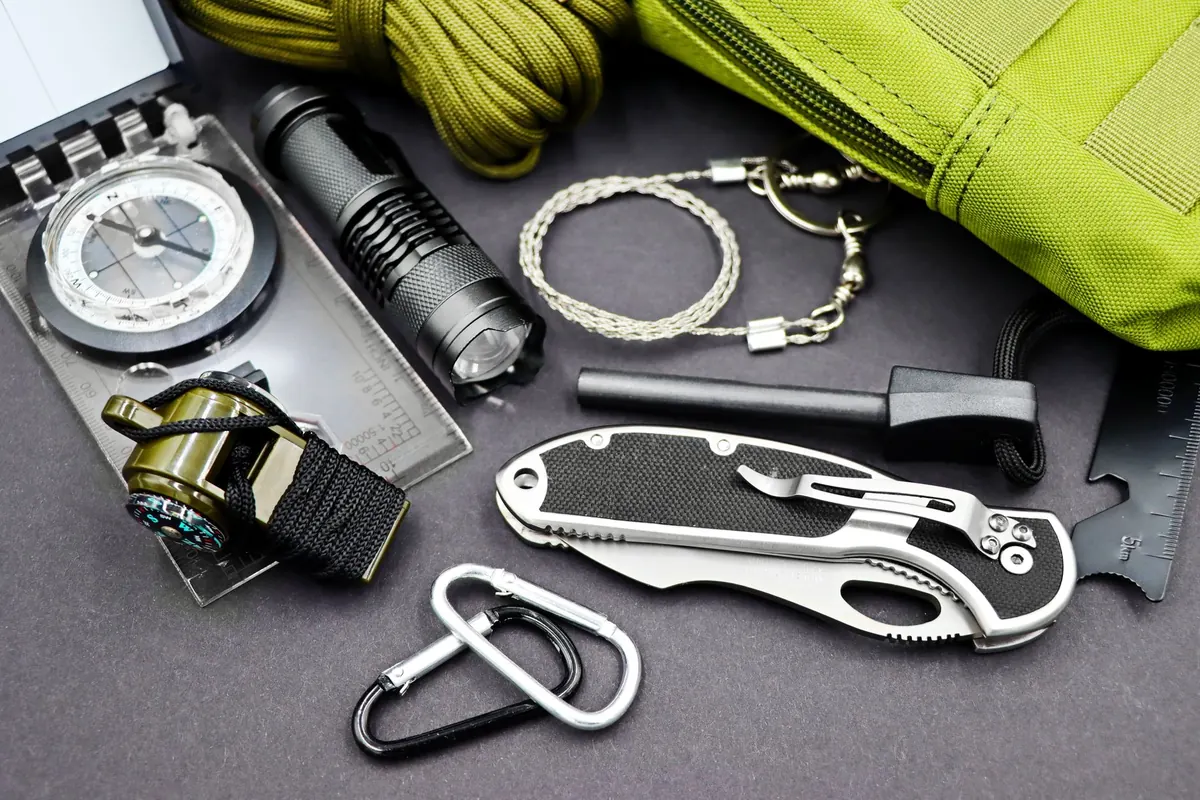
- High-carbon steel striker, clean and rust-free
- Two or three pieces of sharp flint or chert
- Airtight tin of char cloth or charred punk wood
- Small bag of dry natural tinder
- Optional: a ferrocerium rod as a backup spark
- Waterproof pouch or tin for the whole kit
- Small candle stub or waxed cotton pad for extending a flame
- Lighter or matches as a last resort (for emergencies only)
Finally, check where you plan to light a fire. Many UK sites, from nature reserves to moorland, have rules about open fires. If you're unsure, ask the landowner or check with the relevant authority before you travel. Keep fires small, use a fire bowl or established fire pit where possible, and leave no trace. A kit that respects the place you're using it in is a kit worth carrying.
With these items packed and a little practice under your belt, you'll be ready for whatever the British weather throws at you. The spark is the easy part. The preparation is what makes it reliable.
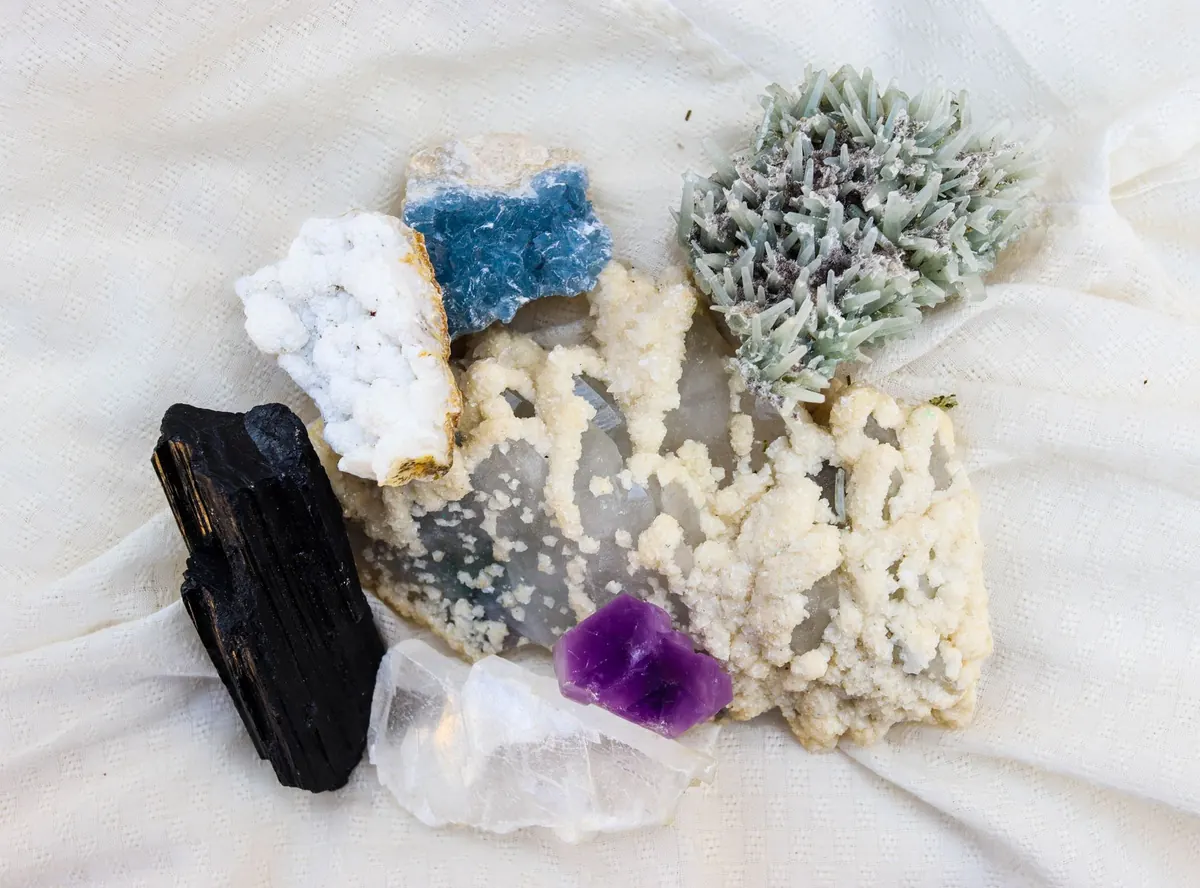
Photo: Marta Branco / Pexels
Seasonal Tinder: What to Collect in Each British Month for Flint Sparks
A month-by-month British guide to gathering dry natural tinders — birch bark, thistle down, reed mace and...
Flint vs Chert: How to Tell Them Apart in the Field
Flint is a kind of chert, but the two behave differently under a hammerstone. Here's how to read colour,...
About Us