Starting a Local Flint Club: A Checklist for First Meetups
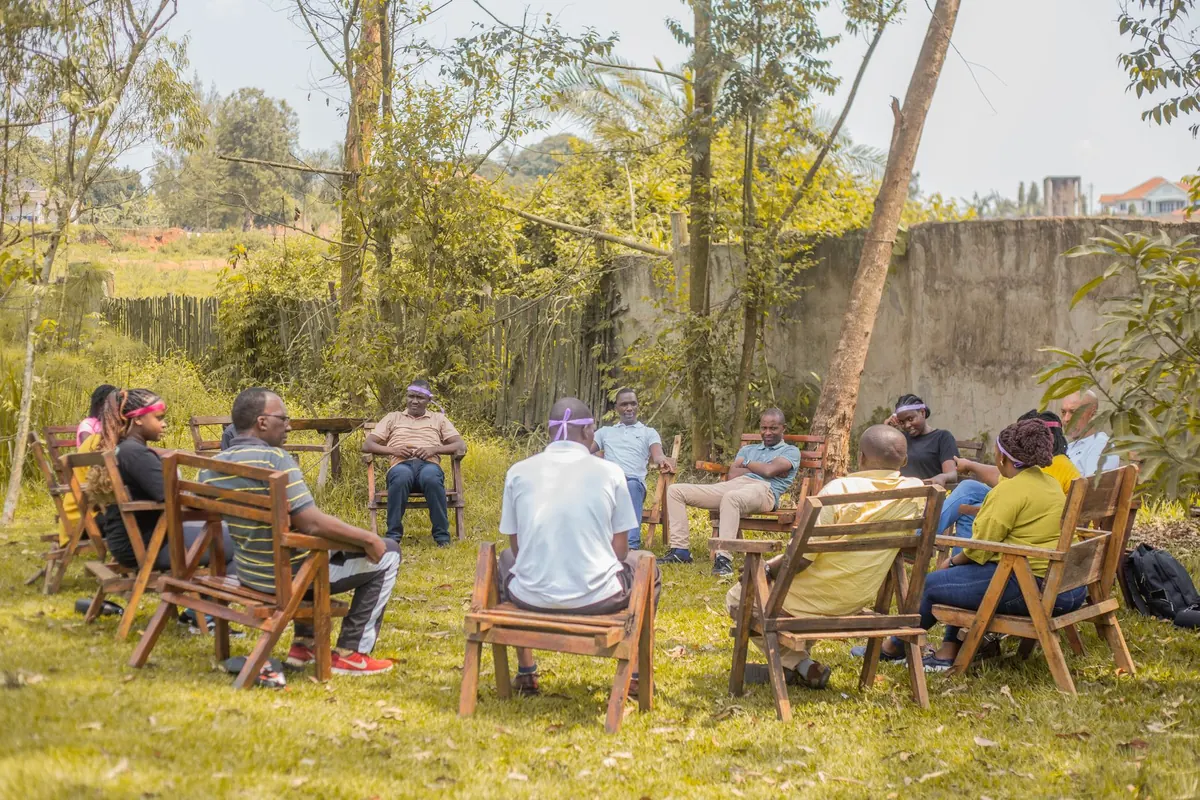
Flint clubs tend to start the same way: two or three people, a pocket full of worked flakes, and a shared suspicion that there are more of you nearby than the internet suggests. Turning that into a regular meetup takes less than you might think — a room, a sturdy table, an old tarp and someone willing to put the kettle on. A few decisions made early will save you a great deal of bother later, particularly around safety, insurance and looking after the material you all care about. What follows is a working checklist, drawn from the experience of small groups who have made it past the first awkward evening and into a rhythm that lasts.
Decide what the club is for
A flint club can be a knapping group, a field-walking and recording group, a study circle for identifying tools, or a friendly overlap of all three. Most local clubs are the last of these, but you still need one plain sentence that answers the question. Something like: “A monthly evening for anyone interested in flint — finding it, working it and understanding it.” That sentence goes on the poster, in the group chat and in the email to your local museum.
Think about the shape of a meeting, too. Two hours on a fixed evening each month is far easier to sustain than a grand quarterly plan that exhausts everyone by spring. Before you book a hall, ask around: who can demonstrate? Who has a spare set of tools? Who knows a landowner or a beach where collecting is genuinely permitted? And who is willing to open up and sweep the floor afterwards?
It also helps to name a small committee early, even if it is only three people and the titles are largely decorative. Someone has to hold the money, someone has to book the room, and someone has to answer the emails. Rotate the jobs annually so nobody quietly burns out, and write down what each role actually involves while it is still fresh in everyone’s mind.
Useful wording for your founding statement
- Inclusive: “No experience necessary — beginners welcome at every session.”
- Specific: “We meet on the second Wednesday of the month, 7–9pm.”
- Honest about scope: “We are a friendly local group, not a commercial workshop or a rescue service for damaged finds.”
Choosing a venue that suits flint
Flint is not a tidy hobby. Flakes and shattered cores travel. A carpeted village hall with a cream rug and a caretaker who inspects the skirting boards is a poor choice, however cheap it looks on paper. What you want is a hard, sweepable floor, decent overhead light, at least one window that opens, and tables that are stable at sitting height. If the surface is scratchable, you bring the tarp and you cover it — no arguments.
Good candidates include scout huts, community workshops, church halls with stone or vinyl floors, the education room of a local museum, a farm barn with power, a covered yard, or a beach hut in summer. Pub back rooms are tempting and usually a mistake: the light is bad, the tables are sticky, and the landlord will eventually object to the flakes in the upholstery. If you are outdoors, plan for wind, rain and a folding table that wants to leave.
Check the practicalities before you commit: parking, bus routes, step-free access, toilets, a kitchen or at least a tap, and a sink you are allowed to use. A venue with a sink and a hot kettle is worth an extra ten pounds an hour.
Safety, insurance and the unglamorous paperwork
Knapping is a sharp, dusty activity and a small club needs to treat it as such. Public liability insurance for a community group is usually inexpensive — often arranged through a national amenity or archaeology society, or as an add-on to a wider policy — and it is the first thing a hall will ask for when you book. Do not skip it, and do not assume the venue’s insurance covers you.
Silica dust is the quiet hazard. Sweeping dry, blowing flakes off the table or sanding stone without protection puts fine dust into the air and into lungs. Use damp cloths, wet wipes and a lidded bin, and keep the sweeping up to a minimum during the session.
- Eyes: safety glasses for anyone within range of a flake strike, not just the knapper.
- Hands: leather pads or a thick leg-protector on the lap; cut-resistant gloves help for the clumsy stages.
- First aid: a stocked kit, including plasters, tweezers and wound wipes, kept where everyone knows it lives.
- Behavior: no knapping after a drink, and a clear rule that anyone can call a halt if they feel unsafe.
- Under-18s: if you want to include them, you will need a safeguarding policy and adults cleared to work with children.
Land, permissions and collecting etiquette
This is the section that most casual groups wish they had read sooner. Flint can be picked up from many places, but not all of them legally or ethically.
- Always ask the landowner. Written permission, even by text message, is worth having. Offer to share what you find and to fill in any holes you dig.
- Know your protected sites. Scheduled monuments, SSSIs and nature reserves are off-limits for collecting without formal consent, and sometimes off-limits altogether.
- Record what you find. Interesting pieces should be reported to the local Historic Environment Record or museum, and catalogued with a grid reference and date. Undocumented flint is just a rock in a drawer.
- Leave no trace. Take your flakes home, backfill your test pits, and leave gates as you found them.
“A flint assemblage without a context is a jigsaw with no picture. Recording is what turns a nice afternoon into useful knowledge.”
Kit list for a first meeting
- A large tarpaulin or old blanket, plus a second one for laps
- Leather leg pads and cut-resistant gloves
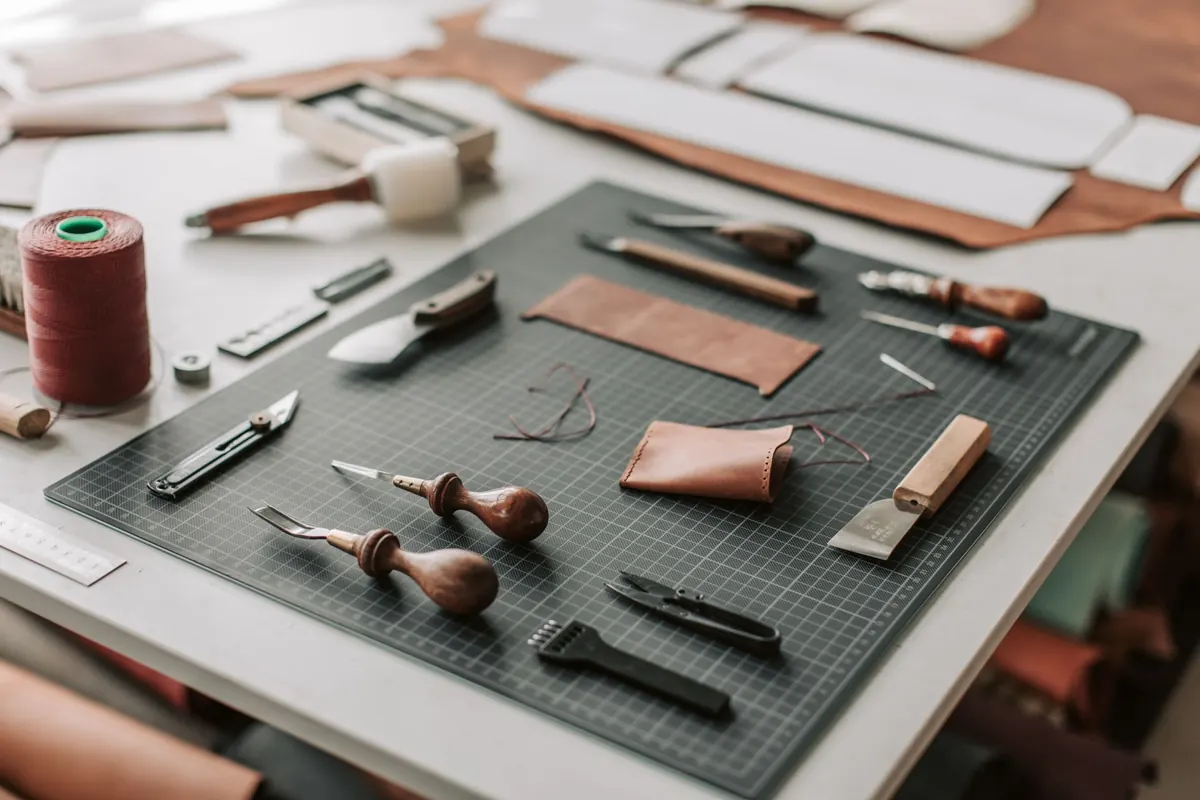
- Copper boppers, antler billets, hammerstones and pressure flakers
- Safety glasses and a stocked first aid kit
- A wet cloth, a dustpan and a lidded bin for debris
- Marker pen, grip-seal bags and labels for finds
- A finds tray, a notebook and a flint identification guide
- Kettle, mugs, milk and biscuits — treat this as essential, not optional
Running the first evening
Keep the first session deliberately simple and structured so nobody has to improvise.
- Arrive twenty minutes early to set up the tarp, tables and tea.
- Welcome everyone, and give a short, honest summary of what the club is and is not.
- Go round the room: name, what brought you here, one thing you would like to learn.
- Deliver a ten-minute demonstration of a basic flake removal.
- Hand out borrowed kit and let people try, with an experienced knapper at each table.
- Ten minutes before the end, stop, tidy up together and set the date of the next meeting.
Keeping it going
A modest annual subscription — twenty or thirty pounds — covers the room, tea and insurance, and makes members take the group seriously. Build a rota for setting up and tidying, start a group chat for sharing finds and photos, and be careful about publicly posting the exact location of a collecting site. Link up with your local archaeology society, museum and Young Archaeologists’ Club; an annual field trip, a winter identification evening and a summer knapping day will carry a club through the year comfortably.
Above all, keep the barrier to entry low. The person who turns up with nothing but curiosity should feel as welcome as the one with a full tool roll — because that is exactly how most flint clubs grow.
Photo: Henning_W / Pixabay
Seasonal Tinder: What to Collect in Each British Month for Flint Sparks
A month-by-month British guide to gathering dry natural tinders — birch bark, thistle down, reed mace and...

Flint vs Chert: How to Tell Them Apart in the Field
Flint is a kind of chert, but the two behave differently under a hammerstone. Here's how to read colour,...
About Us